
Lightning Network Watchtowers: Bitcoin Banking Security Guide
Lightning watchtowers protect your channels 24/7, detecting fraud and broadcasting penalty transactions when you're offline to secure your bitcoin.

Buy Bitcoin with Zero Fees with Rhino
The most secure way to stack sats. Simple, fast, and zero trading fees.
Lightning Network watchtowers provide automated security monitoring for your payment channels when you're offline. These independent services watch the Bitcoin blockchain for potential fraud attempts and broadcast penalty transactions if someone tries to steal your funds by closing a channel with an outdated state.
Key Summary: Watchtowers act as security guards for Lightning Network channels, monitoring the blockchain 24/7 and protecting your bitcoin when you can't actively watch your channels yourself.
Key Takeaways:
- Watchtowers monitor Lightning channels for fraud attempts when you're offline
- They automatically broadcast penalty transactions if someone publishes old channel states
- Most modern Lightning wallets include built-in watchtower support
- Running your own watchtower provides maximum privacy and control
What Is a Lightning Network Watchtower?
A Lightning Network watchtower is a third-party service or self-hosted application that monitors the Bitcoin blockchain for fraudulent channel closures. When you open a Lightning channel with another user, both parties hold different versions of the channel state as transactions occur. If your channel partner tries to cheat by broadcasting an old state where they held more bitcoin, the watchtower detects this and broadcasts a penalty transaction that gives you all the channel funds.
Watchtowers solve a critical security challenge in Lightning Network banking: you must be online to catch fraud attempts. Since most users can't monitor the blockchain 24/7, watchtowers provide this service automatically. They receive encrypted data about your channel states and watch for any on-chain activity matching those patterns.
Payment Channel: A two-party relationship on the Lightning Network that enables multiple off-chain transactions before settling on the Bitcoin blockchain. Channels require both parties to lock bitcoin in a multi-signature address. Learn more from Bitcoin.org
The watchtower mechanism relies on Bitcoin's script capabilities and the Lightning protocol's penalty system. Every channel update creates a revocation key that allows the counterparty to claim all funds if an old state gets broadcast. Watchtowers store these revocation keys and the corresponding transaction data, ready to act if needed.
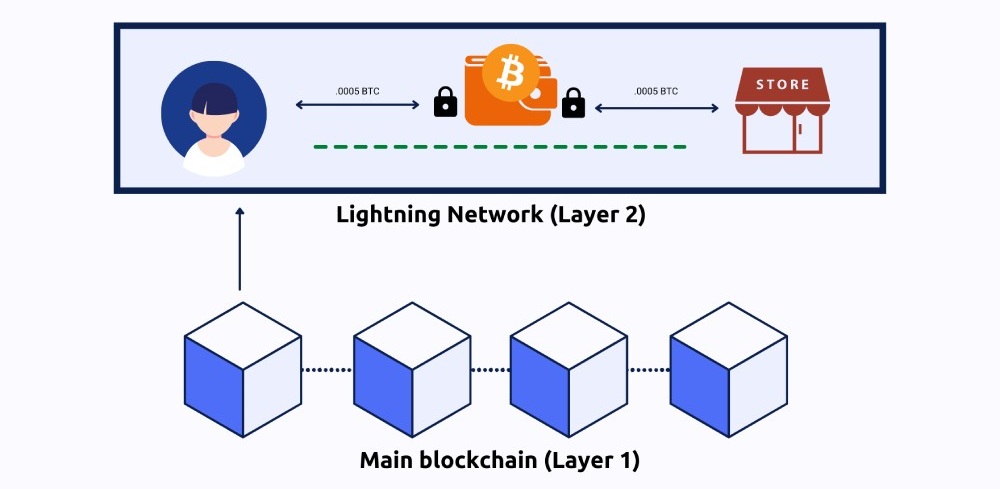
Bitcoin Lightning Network Acts as a Second Layer Over Bitcoin’s Mainnet
How Do Lightning Watchtowers Work?
Watchtowers operate through a straightforward process of data storage, blockchain monitoring, and automated response. When you update a Lightning channel state, your wallet encrypts information about that transaction and sends it to your chosen watchtower. This encrypted data includes the commitment transaction details and the revocation key needed to penalize fraud attempts.
The watchtower continuously scans new Bitcoin blocks for transactions matching the encrypted patterns it holds. If it detects a channel closure using an outdated state, it decrypts the relevant data and broadcasts the penalty transaction. This happens automatically without requiring your intervention or even your awareness.
The watchtower protection process involves these key steps:
- Data encryption: Your wallet creates encrypted breach remedy transactions for each channel update
- Transmission: Encrypted data gets sent to one or more watchtowers you've configured
- Monitoring: Watchtowers scan every new block for potential breaches
- Detection: If an old state appears on-chain, the watchtower identifies it immediately
- Response: The watchtower broadcasts the penalty transaction within minutes
Modern watchtower implementations use various encryption schemes to protect your privacy. The watchtower can't see your channel balances, counterparties, or transaction patterns. It only learns about a specific channel if a breach attempt occurs and it needs to decrypt the relevant data to respond.
Why Are Watchtowers Essential for Lightning Security?
Watchtowers address the fundamental availability requirement in Lightning Network security. Without watchtowers, you must remain online and monitor the blockchain constantly to protect your funds. This creates an impractical burden for mobile wallet users and anyone who experiences internet outages or device failures.
The penalty mechanism in Lightning channels only works if you can respond to fraud attempts within a specific timeframe. Most channels use timelock periods ranging from several hours to several days. If your device is offline during this window, a malicious counterparty could steal funds without consequence. Watchtowers eliminate this risk by providing always-online monitoring.
Consider the practical reality of mobile Lightning usage. Your phone goes offline regularly due to airplane mode, dead batteries, or poor connectivity. During these periods, your channels remain vulnerable without watchtower protection. Platforms like Rhino Bitcoin integrate watchtower services to ensure Lightning channels stay protected even when users aren't actively connected.
Timelock: A Bitcoin script condition that prevents spending certain outputs until a specified time or block height. Lightning channels use timelocks to give parties time to respond to fraudulent closure attempts.
Beyond individual security, watchtowers contribute to overall network trust. Knowing that automated systems watch for fraud attempts makes Lightning channels safer for everyone. This security layer helps Lightning scale by reducing the operational burden on node operators and everyday users.
Types of Watchtower Implementations
Lightning Network implementations offer several watchtower models, each with different privacy guarantees, reliability characteristics, and operational requirements. Understanding these options helps you choose the right protection for your specific needs.
Altruist Watchtowers
Altruist watchtowers provide free monitoring services without charging fees. These services typically run as community resources or by companies offering value-added services. LND (Lightning Network Daemon) includes support for altruist watchtowers through its built-in client. The main limitation is reliability, since free services may disappear or become overloaded. Privacy remains strong because the watchtower learns nothing about your channels unless a breach occurs.
Commercial Watchtower Services
Paid watchtower services offer guaranteed uptime and professional support in exchange for subscription fees or per-channel charges. These services often provide redundancy, detailed monitoring dashboards, and service level agreements. Companies like Lightning Labs and various node hosting providers offer commercial watchtower options. The added cost buys peace of mind through contractual reliability guarantees.
Self-Hosted Watchtowers
Running your own watchtower provides maximum privacy and control. You operate the monitoring software on a separate device or server that stays online continuously. This approach works well if you already run infrastructure like a home server or cloud instance. Self-hosted watchtowers eliminate trust in third parties but require technical knowledge and reliable hosting.
Integrated Wallet Watchtowers
Many modern Lightning wallets include automatic watchtower protection without requiring manual configuration. Wallets like Phoenix, Breez, and others connect to trusted watchtower services operated by the wallet developers. This integration offers the best user experience but requires trusting the wallet provider's infrastructure and privacy practices.
Setting Up Watchtower Protection
Configuring watchtower protection varies depending on your Lightning wallet or node software. Most modern implementations make the process straightforward, often enabling protection automatically during initial setup.
For LND node operators, watchtower setup involves these steps:
- Enable the watchtower client in your LND configuration file
- Add watchtower server addresses using the lncli wtclient add command
- Verify connection status with lncli wtclient towers
- Monitor active sessions through your node management interface
Mobile wallet users typically enjoy automatic protection. Wallets like Phoenix and Breez connect to developer-operated watchtowers during the initial setup process. You can verify protection status in your wallet's security or settings menu. Some wallets display the number of connected watchtowers and the last update timestamp.
If you're running a self-hosted watchtower, you'll need dedicated server software like the LND watchtower server or compatible alternatives. The server requires a synced Bitcoin full node, reliable internet connectivity, and sufficient storage for encrypted channel data. Most operators use cloud servers or home servers with backup power and internet connections.
Best Practices for Watchtower Configuration
Use multiple watchtowers for redundancy. If one watchtower experiences downtime during a breach attempt, backup watchtowers provide additional security layers. Most Lightning implementations support connecting to 2-4 watchtowers simultaneously. Balance privacy considerations with reliability needs when choosing between self-hosted and third-party services.
Regularly verify your watchtower connections remain active. Network issues, server downtime, or configuration changes can break connections without obvious warnings. Check your watchtower status at least monthly, especially before opening new channels or making large Lightning transactions.
Privacy Considerations with Watchtowers
Watchtower privacy design aims to minimize information disclosure while maintaining security effectiveness. The encryption schemes used by modern watchtowers follow a principle called "encrypted justice," where the watchtower can't learn about your channels unless it needs to act on your behalf.
When your wallet sends encrypted breach remedy data to a watchtower, the service can't decrypt this information under normal circumstances. The watchtower doesn't learn your channel balances, counterparties, transaction frequency, or network activity patterns. It only stores encrypted blobs matched against blockchain activity through cryptographic techniques.
Privacy varies across watchtower models:
- Self-hosted: Complete privacy since you control all infrastructure
- Altruist services: Strong privacy through encryption, but service knows your IP address
- Commercial services: Similar encryption privacy but with payment metadata and account information
- Wallet-integrated: Privacy depends on wallet provider's practices and data retention policies
Network-level privacy requires additional consideration. Your IP address gets exposed when connecting to third-party watchtowers unless you use Tor or VPN services. Some Lightning implementations support routing watchtower connections through Tor for enhanced anonymity. This prevents watchtowers from correlating your identity with the encrypted channel data they store.
The privacy-reliability tradeoff deserves careful thought. Self-hosted watchtowers offer maximum privacy but require technical skill and infrastructure. Third-party services sacrifice some privacy metadata for professional reliability. Most users find wallet-integrated watchtowers provide the best balance for everyday Lightning usage.
Watchtowers and Lightning Network Scaling
Watchtower infrastructure plays a crucial role in Lightning Network's ability to scale Bitcoin payments to billions of users. As adoption grows, the watchtower ecosystem must evolve to handle increasing channel counts and blockchain monitoring demands.
Current watchtower designs scale efficiently because they monitor the blockchain rather than every individual channel in real-time. A single watchtower can protect thousands of channels by scanning new blocks for matching transaction patterns. This architecture allows watchtower services to grow without requiring proportional hardware increases.
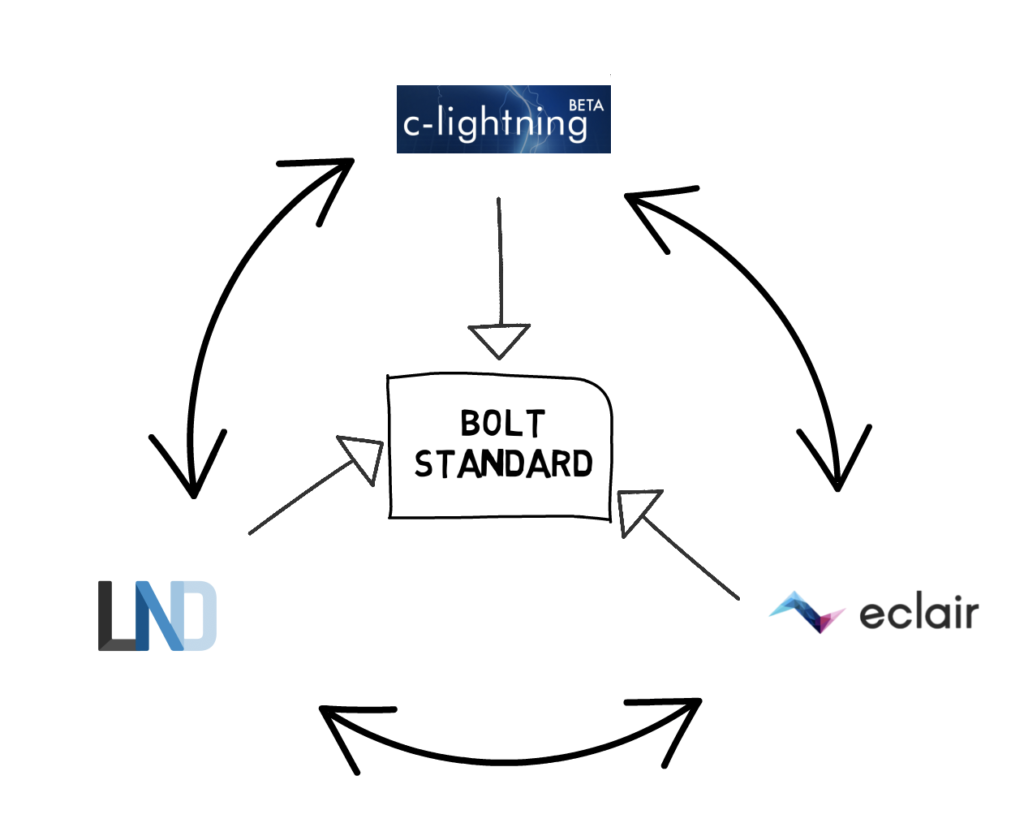
The development community continues improving watchtower protocols. BOLT 13 (the Lightning Network specification for watchtowers) defines standardized communication between clients and servers. Ongoing proposals address advanced features like reward mechanisms for successful breach responses and improved privacy through enhanced encryption schemes.
BOLT (Basis of Lightning Technology): The formal specification documents defining Lightning Network protocols, message formats, and operational requirements. BOLT documents ensure interoperability between different Lightning implementations. GitHub repository
For Lightning to support mainstream cross-border payments and everyday transactions at scale, reliable watchtower infrastructure must become ubiquitous. This requires both commercial services with strong incentives and community-operated infrastructure similar to Bitcoin full nodes. The combination creates resilient protection regardless of individual service failures.
Common Watchtower Challenges and Solutions
Despite their importance, watchtowers face several operational challenges that users and operators should understand. These limitations don't undermine watchtower security but require awareness and proper configuration.
Data Storage Requirements
Watchtowers must store encrypted breach remedy data for every channel update they protect. Active channels generate frequent updates, creating substantial storage demands. Operators manage this through data retention policies, typically keeping recent updates and pruning older encrypted data after channel closures. Users should understand that watchtower capacity limits may affect service availability.
False Breach Detection
Network reorganizations or temporary blockchain forks can occasionally trigger false positive breach alerts. Watchtowers must carefully verify transactions before broadcasting penalty responses. Modern implementations include confirmation thresholds and fork detection to minimize false responses. Users rarely encounter this issue, but it explains why watchtowers wait several confirmations before responding to potential breaches.
Connection Reliability
Maintaining persistent connections between Lightning nodes and watchtowers requires reliable networking. Firewall configurations, NAT traversal, and Tor connectivity can complicate connections. Most implementations retry failed connections automatically, but users should verify their watchtower connections stay active. Check connection status regularly through your node or wallet interface.
Watchtower availability during critical breach windows remains the ultimate reliability concern. Using multiple watchtowers from different operators provides redundancy. If your primary watchtower experiences downtime, backup services ensure continuous protection. This strategy mirrors how Lightning wallet implementations handle channel reliability through multiple pathways.
There are Different Lightning Network Implementations
Frequently Asked Questions
Do I Need a Watchtower for Lightning Network?
Yes, watchtowers provide essential security for Lightning channels, especially if you use mobile wallets or can't stay online 24/7. Without watchtower protection, your funds remain vulnerable when offline.
Can Watchtowers Steal My Bitcoin?
No, watchtowers cannot steal your bitcoin. They only receive encrypted data allowing them to broadcast penalty transactions if someone tries to cheat you. They cannot access your funds or initiate unauthorized transactions.
How Much Do Watchtower Services Cost?
Many watchtower services operate for free as altruist implementations. Commercial services typically charge $5-20 monthly or small per-channel fees. Most mobile wallets include free watchtower protection automatically.
What Happens If My Watchtower Goes Offline?
If your only watchtower goes offline during a breach attempt, you're vulnerable to fund loss unless you're online to respond yourself. This is why using multiple watchtowers from different operators provides critical redundancy.
How Do I Know My Watchtower Is Working?
Check your Lightning wallet or node software for watchtower connection status. Most implementations display connected towers, last update time, and active session counts in security settings.
Can I Run My Own Watchtower?
Yes, running your own watchtower provides maximum privacy and control. You'll need separate server infrastructure, a Bitcoin full node, and technical knowledge to configure watchtower server software like LND's watchtower implementation.
Do Watchtowers Work with All Lightning Wallets?
Most modern Lightning wallets support watchtowers, either through automatic integration or manual configuration. Check your specific wallet's documentation for watchtower features and setup instructions.
How Long Do Watchtowers Store My Data?
Watchtowers typically store encrypted breach remedy data until channels close, plus a retention period afterward. Storage policies vary by service, with most maintaining data for at least the maximum channel timelock period.
What Is the Difference Between Watchtowers and Lightning Service Providers?
Watchtowers specifically monitor for fraud attempts, while Lightning Service Providers (LSPs) offer broader services including channel management, liquidity provision, and routing. Many LSPs include watchtower services as part of their offerings.
Are Watchtowers Required by the Lightning Protocol?
Watchtowers aren't strictly required by the protocol, but they're practically necessary for secure mobile Lightning usage. The protocol assumes parties can detect and respond to fraud, which watchtowers enable when you're offline.
Conclusion
Lightning Network watchtowers solve the critical availability requirement for secure payment channels by providing automated fraud monitoring when you're offline. They represent essential infrastructure for Lightning's evolution from experimental technology to practical payment system. By encrypting breach remedy data and watching the blockchain continuously, watchtowers protect your bitcoin without compromising privacy or requiring constant online presence.
When evaluating watchtower options, consider these key factors:
- Reliability and uptime guarantees from your chosen service
- Privacy implications of self-hosted versus third-party watchtowers
- Redundancy through multiple watchtower connections
- Integration quality with your Lightning wallet or node software
For those ready to experience secure, instant bitcoin transactions with comprehensive Lightning Network protection, explore Rhino Bitcoin's Lightning-enabled banking platform with built-in watchtower security.
References
- Lightning Network. "BOLT 13: Watchtower Protocol." GitHub Lightning Specifications. https://github.com/lightning/bolts
- Bitcoin.org. "Payment Channels." Bitcoin Developer Guide. https://bitcoin.org/en/developer-guide#payment-channels
- Lightning Labs. "Watchtower Documentation." LND Technical Documentation. https://docs.lightning.engineering/
- Dryja, Thaddeus. "Lightning Network Whitepaper." Lightning Network Summary. https://lightning.network/lightning-network-paper.pdf
- Bitcoin.org. "Bitcoin Glossary: Locktime." Bitcoin.org Resources.
Important Disclaimers
Disclaimer: Educational information only. Not financial, legal, medical, or tax advice.
Risk Warnings: All investments carry risk, including loss of principal. Past performance is not indicative of future results. Bitcoin is a volatile asset and may not be suitable for all investors.
Conflicts of Interest: Rhino Bitcoin provides Bitcoin financial services. This content is educational and may reference our products.
.png)
.png)